

Table of Contents
Introduction
Renovating a home without blowing the budget is a challenge most homeowners face, and windows are often the last thing people think to upgrade even though they can transform how a space looks and feels. A smart aluminium window design is one of the easiest ways to modernize a home without overspending, since aluminium frames combine durability, low maintenance, and a sleek finish at a fraction of the cost of premium materials. Whether you’re renovating an old apartment or building a new home, understanding how to choose the right design can help you strike the perfect balance between style and savings. If you’re exploring options for your space, our window solutions page breaks down different frame types available for Indian homes.

Why Aluminium Windows Are a Smart Budget Choice
Aluminium has become one of the most popular materials for home windows because it offers strength without the heavy price tag associated with wood or high-end UPVC systems, which is exactly why aluminium window design has grown so popular among budget renovators. Unlike wood, which needs regular polishing, sealing, and pest treatment, aluminium frames resist rust, warping, and termites with almost no upkeep. This makes them especially practical in India’s varied climate, where humidity and heat can quickly damage wooden frames. Over a ten-year period, the reduced maintenance cost alone often makes aluminium windows cheaper than the alternatives, even if the upfront price looks similar. For homeowners trying to renovate multiple rooms on a fixed budget, this combination of low cost and long life is hard to beat.
Popular Aluminium Window Designs on a Budget
When it comes to choosing a design, sliding and casement styles remain the two most requested options among budget-conscious homeowners, and each suits different spaces.
Sliding vs Casement Which Costs Less
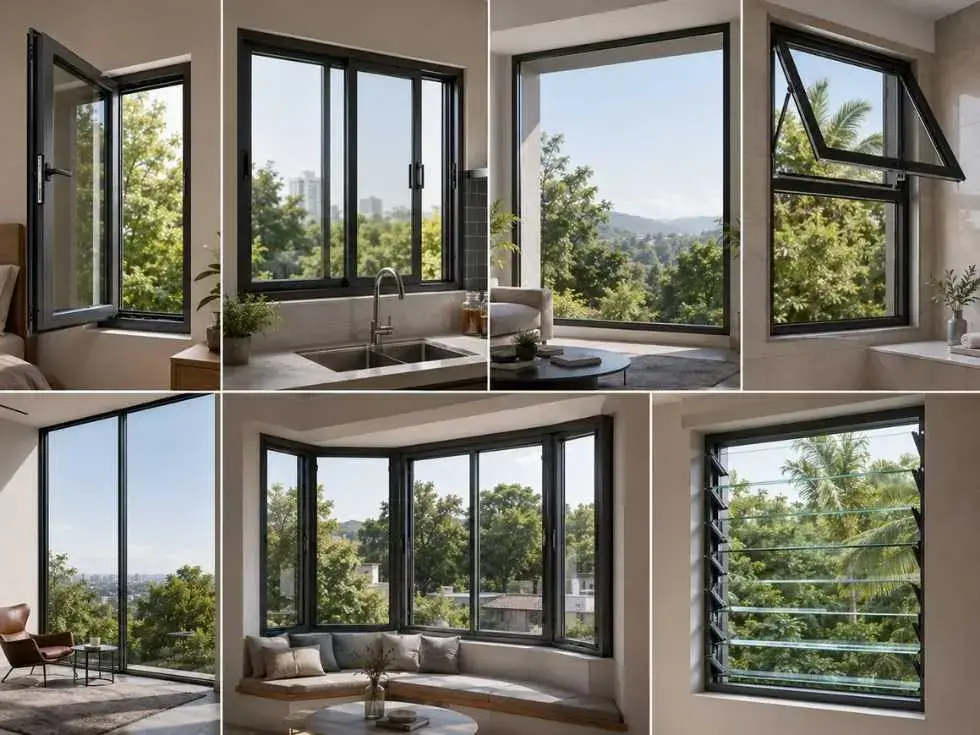
Sliding aluminium windows are generally the more affordable choice because they use fewer hinges and hardware components, and their simple horizontal mechanism keeps installation costs low. They also work well in smaller rooms since they don’t need clearance space to swing open. Casement windows, on the other hand, offer better ventilation control and a tighter seal against dust, but the additional hardware pushes the price slightly higher. If your priority is stretching the budget across the whole house, a mix of sliding aluminium window design in bedrooms and living areas, with casement styles reserved for kitchens or bathrooms, often gives the best value.
Fixed & Louvered Windows for Light and Ventilation
Fixed aluminium glass window design is one of the most economical ways to bring in natural light, since there are no moving parts, hinges, or locks to pay for just a frame and a glass panel. These work beautifully in stairwells, high walls, or spaces where ventilation isn’t a priority. Louvered aluminium windows, meanwhile, are ideal for bathrooms and utility areas because their angled slats allow airflow while keeping out rain. Combining fixed panels for light with louvered sections for airflow is a common budget trick used by contractors to cut costs without compromising comfort.
Design Ideas by Room
Not every room needs the same window style, and matching the aluminium window design to the room’s function is one of the simplest ways to save money while still achieving a modern look.
- Living Room: Large sliding panels maximize light and give an open, airy feel without the cost of custom fabrication.
- Kitchen: A compact sliding or louvered combination keeps ventilation strong while staying within a tight budget.
- Bedroom: Casement windows with mesh screens add privacy and keep insects out, which is worth the small price difference.
- Balcony or Utility Area: Slim-frame or multi-fold aluminium windows work well here since these spaces don’t need heavy-duty hardware.
Choosing standard sizes for each of these rooms rather than custom cuts is often the single biggest cost-saving decision in the entire renovation.
Finishes & Colours That Don't Break the Budget
The finish on an aluminium frame affects both its appearance and its price. Powder coating is the more affordable option and comes in a wide range of colours, making it a favourite for modern aluminium window design projects that want a bold, contemporary look without a premium cost. Anodizing, while slightly more expensive, offers a more refined metallic sheen and better resistance to coastal or industrial pollution, so it’s worth considering if your home is near the sea or in a high-pollution area. In terms of colour trends, matte black and bronze finishes remain popular for their modern appeal, while classic white and silver continue to be the safest, most budget-friendly picks for resale value. Choosing a standard powder-coated finish over a custom anodized one can often save a noticeable amount without sacrificing visual appeal.
Factors That Affect Aluminium Window Pricing
Understanding what actually drives the cost of a window helps you make smarter trade-offs instead of cutting corners in the wrong places.
Frame Profile & Glass Type
Thicker frame profiles cost more but offer better strength and insulation, while slimmer profiles are cheaper and work well for smaller openings where structural load isn’t a concern. Glass is another major cost factor plain glass is the most economical, toughened glass adds safety at a moderate premium, and double-glazed units, while excellent for insulation, are usually reserved for homes in extreme climates or high-noise areas since they cost significantly more.
Frame Profile & Glass Type
Handles, locks, and rollers might seem like small details, but low-quality hardware wears out fast and often costs more to replace over time than it would have to buy a slightly better version upfront. Spending a little extra here, even while keeping the overall aluminium window frame design simple, tends to pay off in the long run.
Tips to Save Money Without Compromising Quality
There are practical ways to keep costs down that don’t involve sacrificing the quality or look of your windows.
Standard Sizes Over Custom
Custom-cut windows require more labour and material wastage, which is reflected directly in the final bill. Sticking to standard sizes wherever the layout allows is one of the easiest ways to bring costs down without changing the overall design.
Bulk / Whole-House Ordering Discounts
Most fabricators and suppliers offer better per-unit pricing when you order windows for the entire home at once rather than room by room. Planning your renovation in a single phase, instead of spreading it across months, can unlock these bulk discounts and reduce overall project costs meaningfully.
Maintenance Tips to Extend Window Life
Even the most affordable aluminium window design will last longer with a small amount of regular care. Wiping down frames with a damp cloth every few weeks prevents dust buildup in the tracks, which is one of the most common causes of stiff or noisy sliding windows. Lubricating rollers and hinges twice a year keeps the mechanism smooth, and checking rubber seals annually ensures windows stay watertight during monsoon season. Because aluminium doesn’t rust or rot, these small habits are usually all that’s needed to keep windows performing well for well over a decade far less effort than wooden frames demand.
Conclusion
Choosing the right aluminium window design doesn’t have to mean choosing between style and savings. By understanding which frame styles, finishes, and glass types suit each room, homeowners can put together a look that feels custom-designed while staying firmly within budget. If you’re planning a renovation and want guidance on the best options for your home, reach out to the team at Evon Window we’re happy to help you find a design that works for both your space and your budget.
FAQ
In most cases, yes. Aluminium frames typically cost less upfront than UPVC and require similarly low maintenance, though UPVC can offer slightly better thermal insulation in extreme climates.
With basic care, aluminium windows can easily last 20–25 years or more, since the material doesn’t rust, rot, or warp the way wood can.
Sliding windows are usually the best fit for smaller spaces since they don’t require swing clearance and make efficient use of limited wall space.